



Concrete Driveway Installation & Replacement
Residential concrete driveway installation and replacement across the Charlotte metro — subgrade prepared for Piedmont red clay, thickness matched to how you load the drive, and a control-joint layout designed to keep the slab flat for decades. Zero deposit, licensed and insured, spec written on paper before a single form board goes down.
Get your free quote
We respond in less than 2 hours.
Recent Driveways Projects
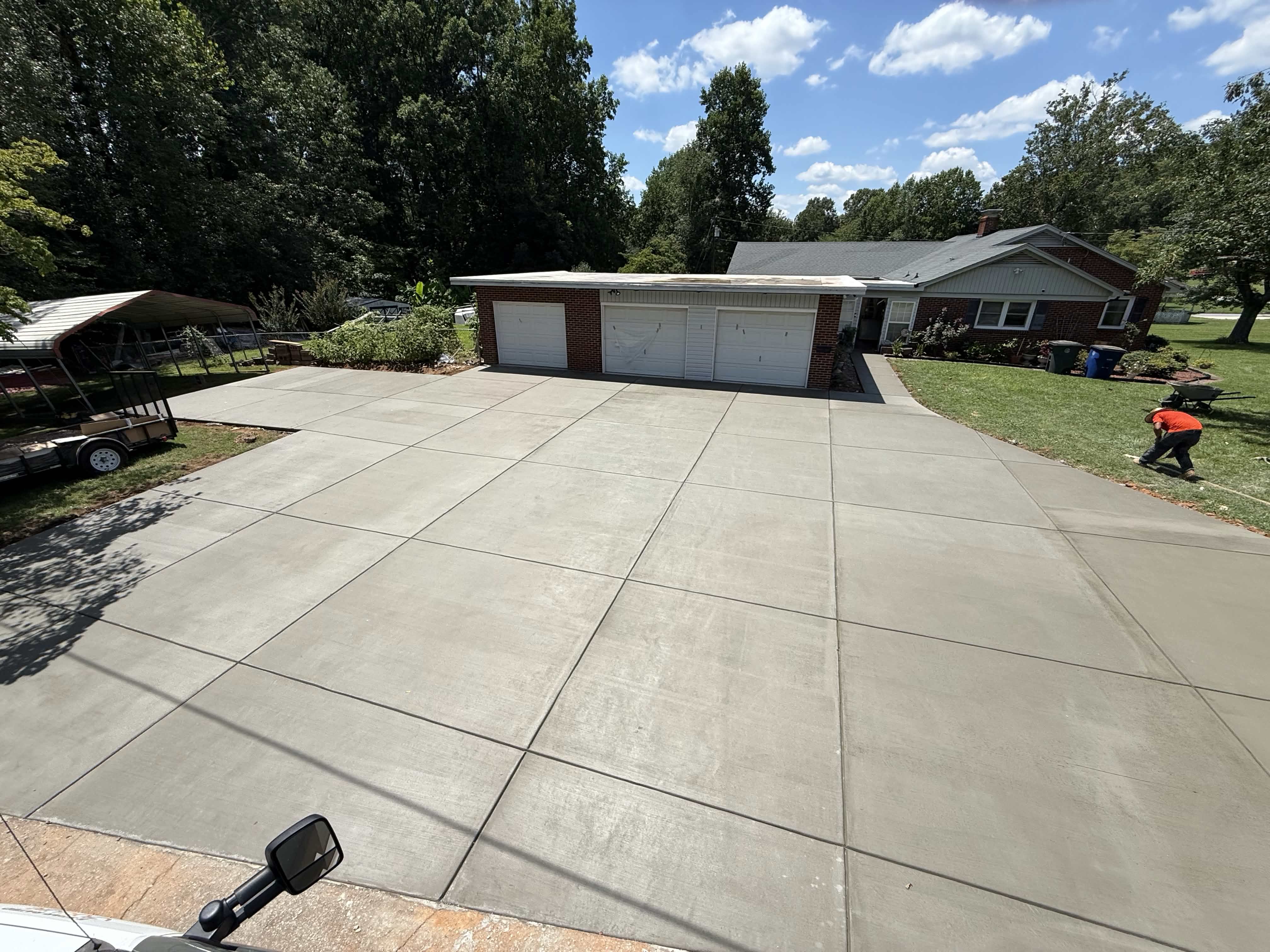
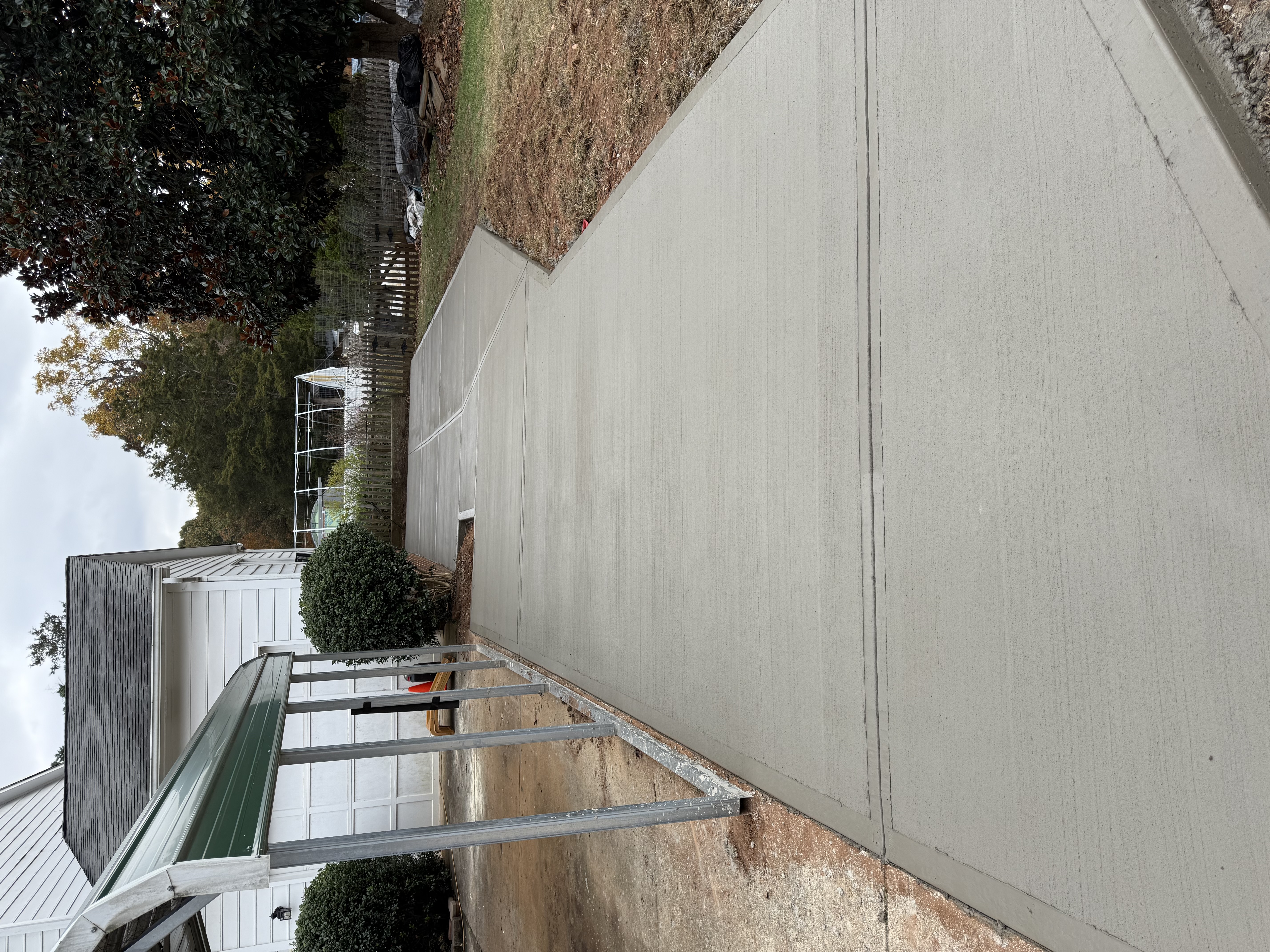
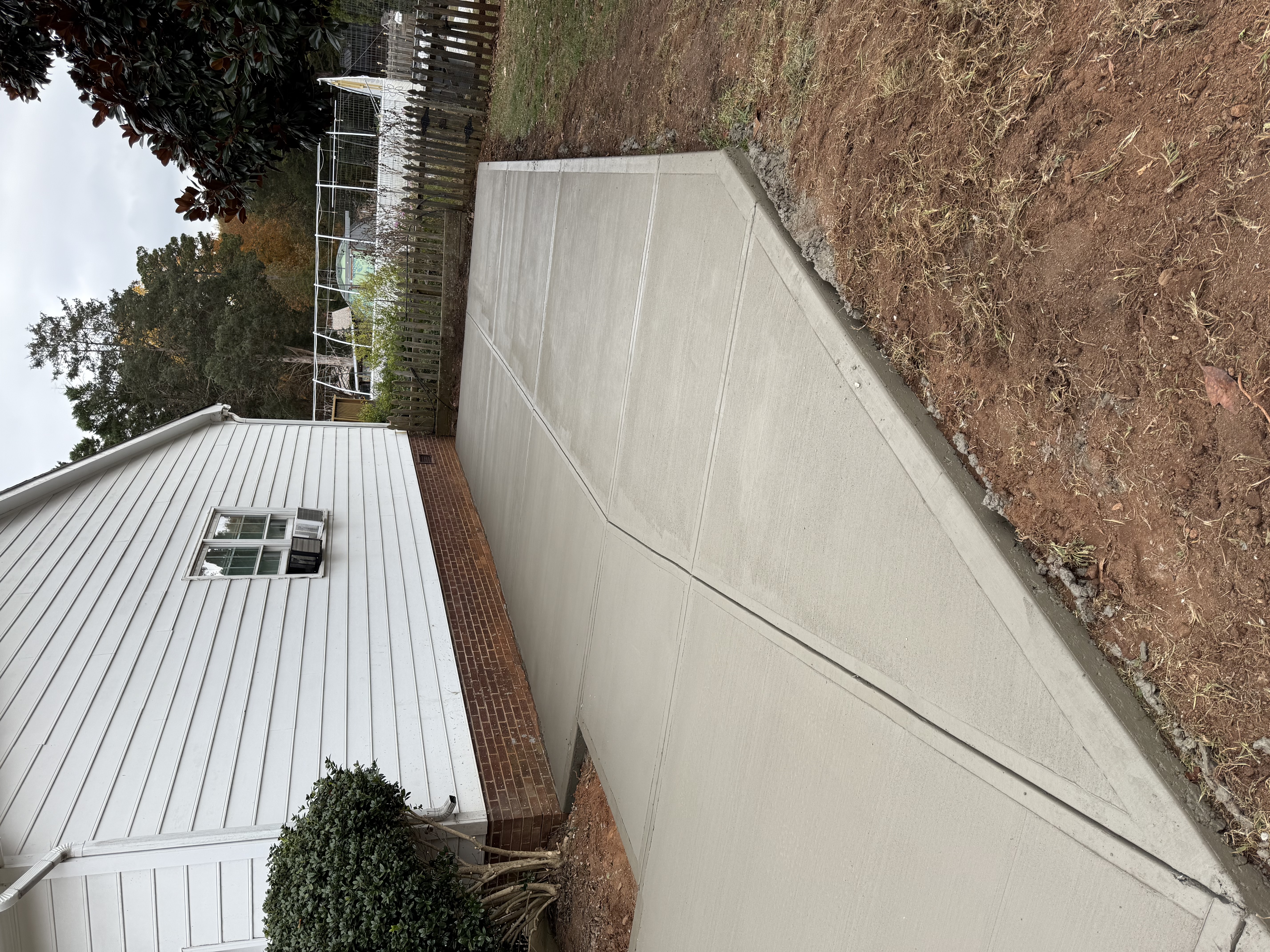
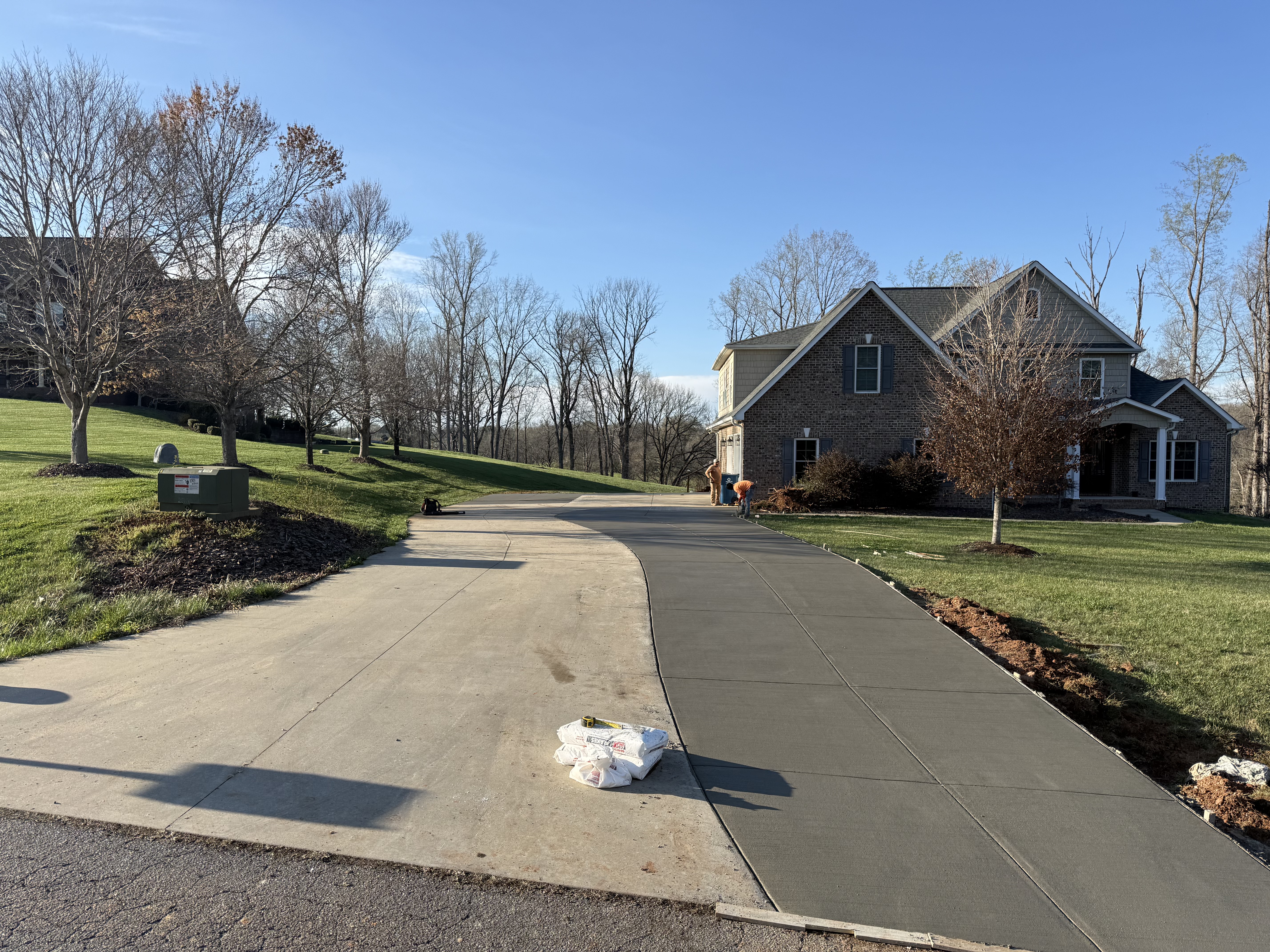
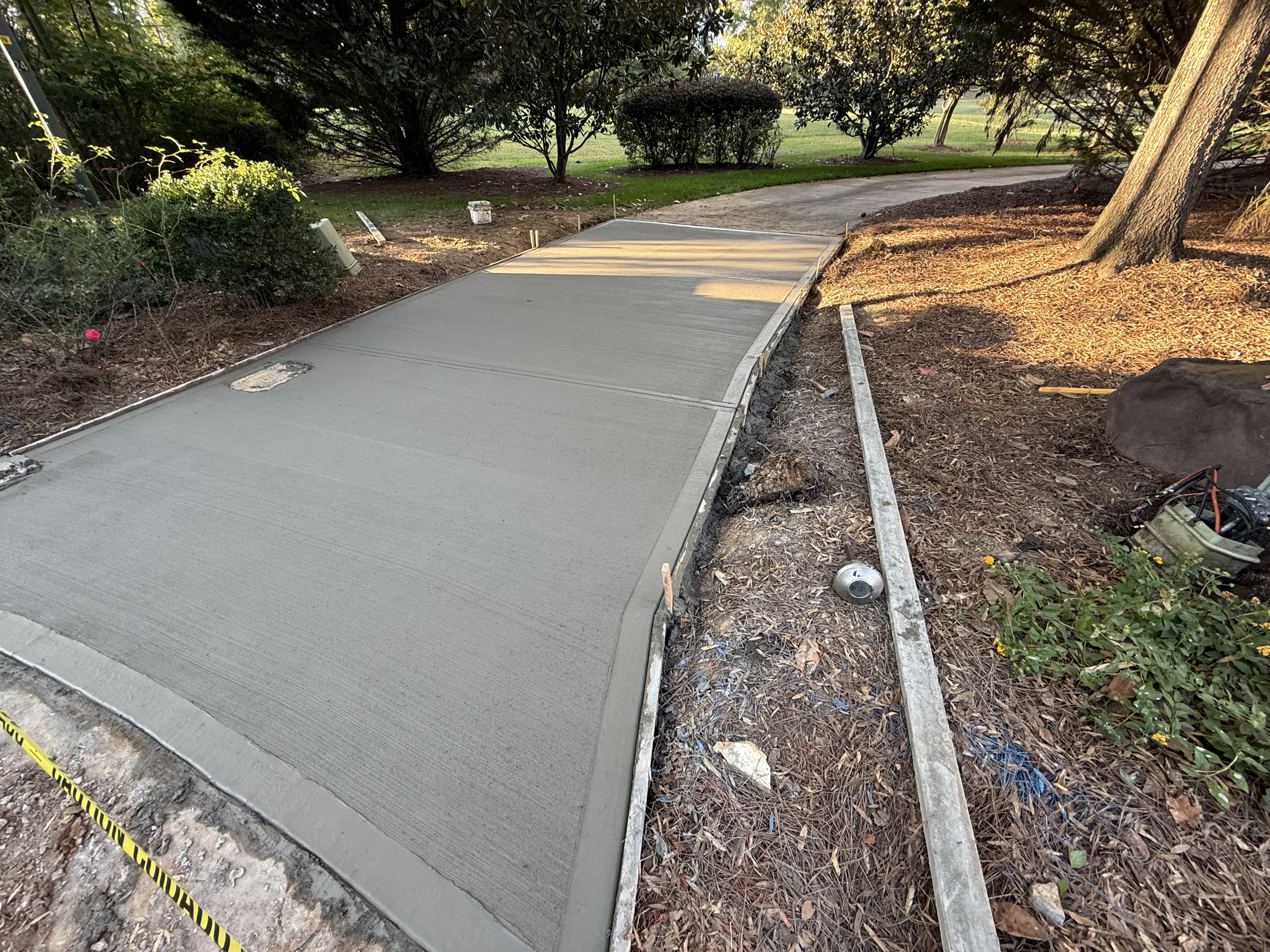
Real customer jobs we've poured. Swipe through and picture yours next.
Driveways
Recent Job
Driveways
Recent Job
Driveways
Recent Job
Driveways
Recent Job
Driveways
Recent Job
Driveways
Recent Job
Driveways
Recent Job
Driveways
Recent Job
Driveways
Recent Job
Driveways
Recent Job
Driveways
Recent Job
Driveways
Recent Job
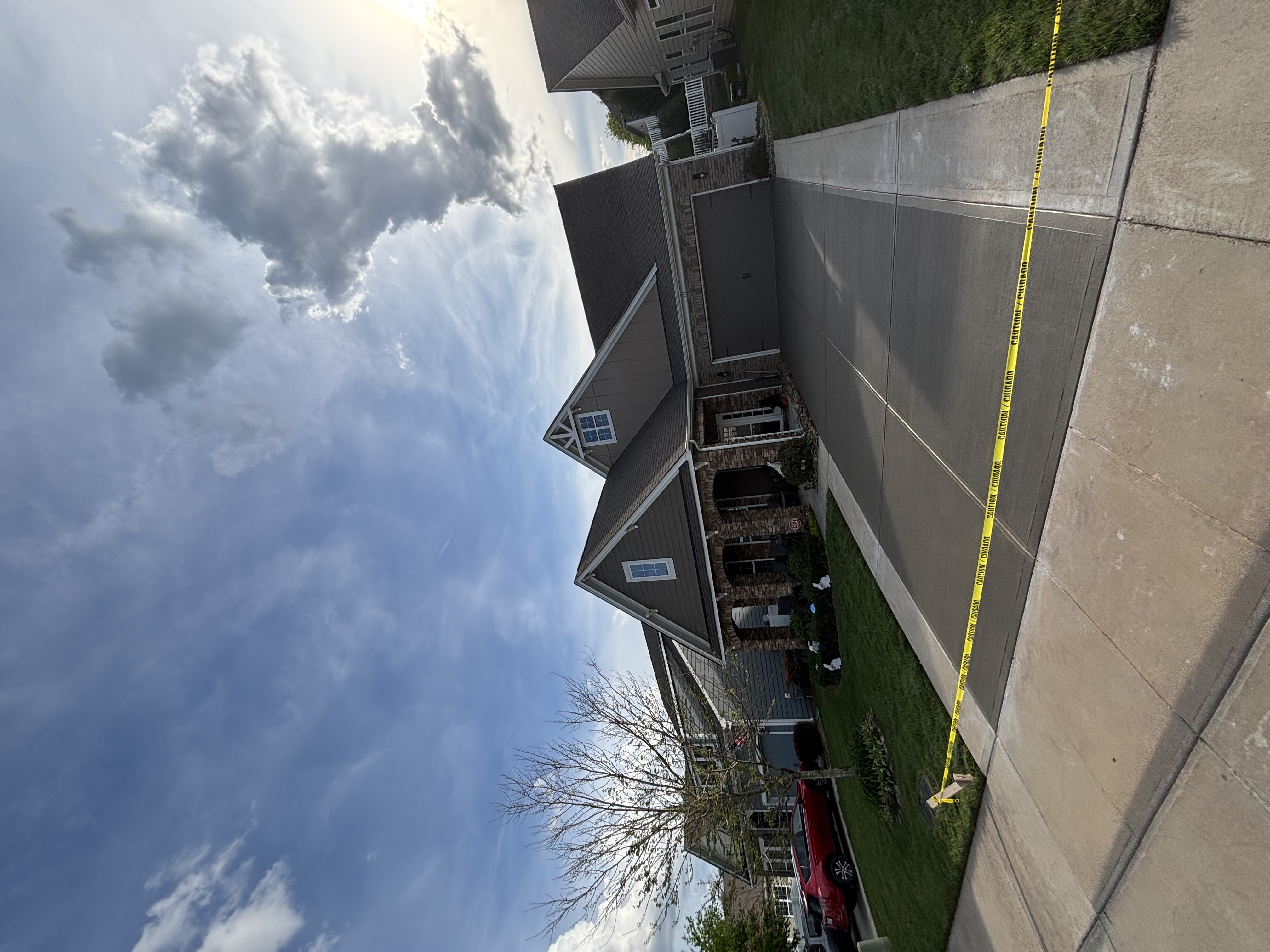
Driveways
Recent Job
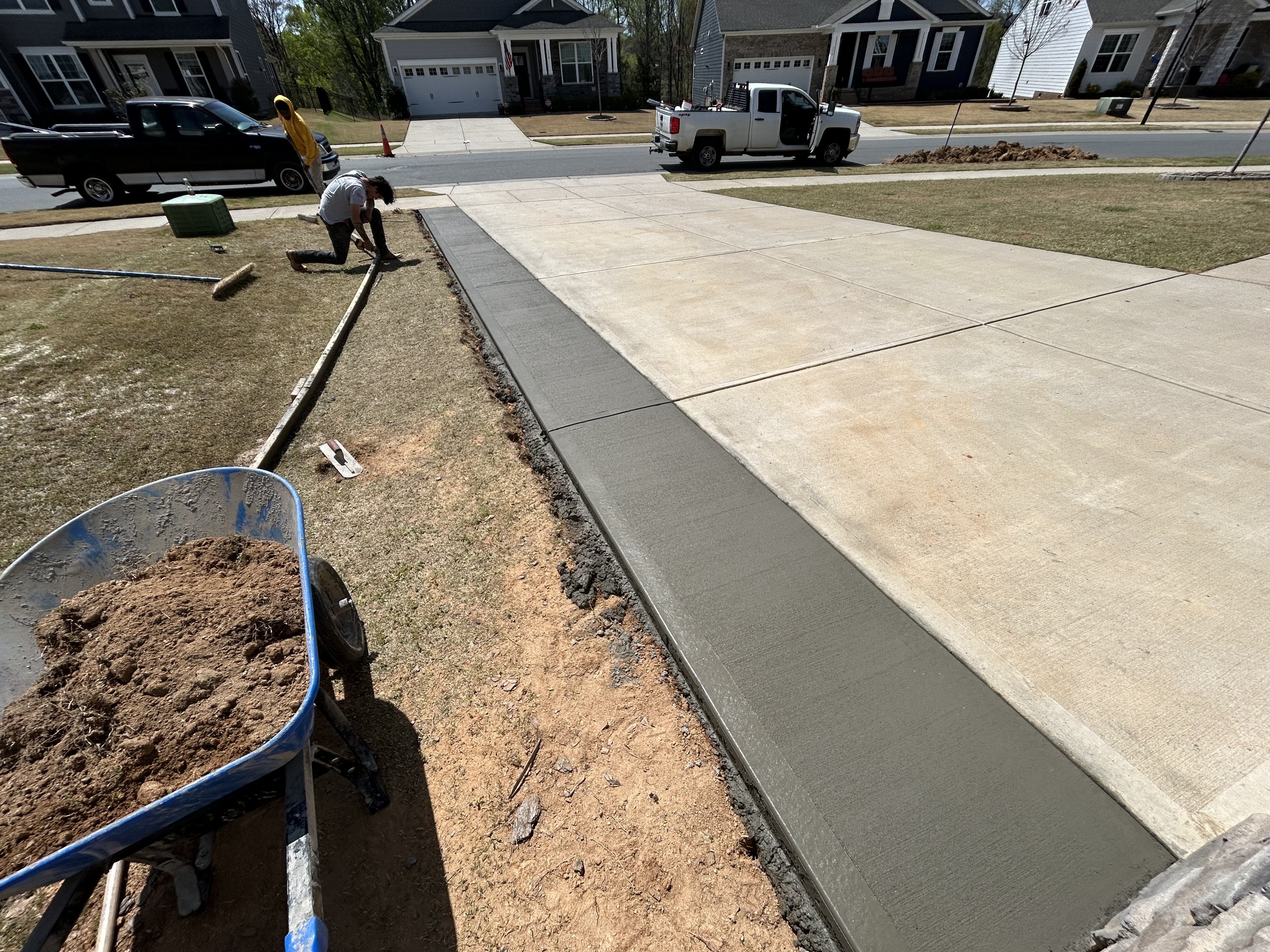
Driveways
Recent Job
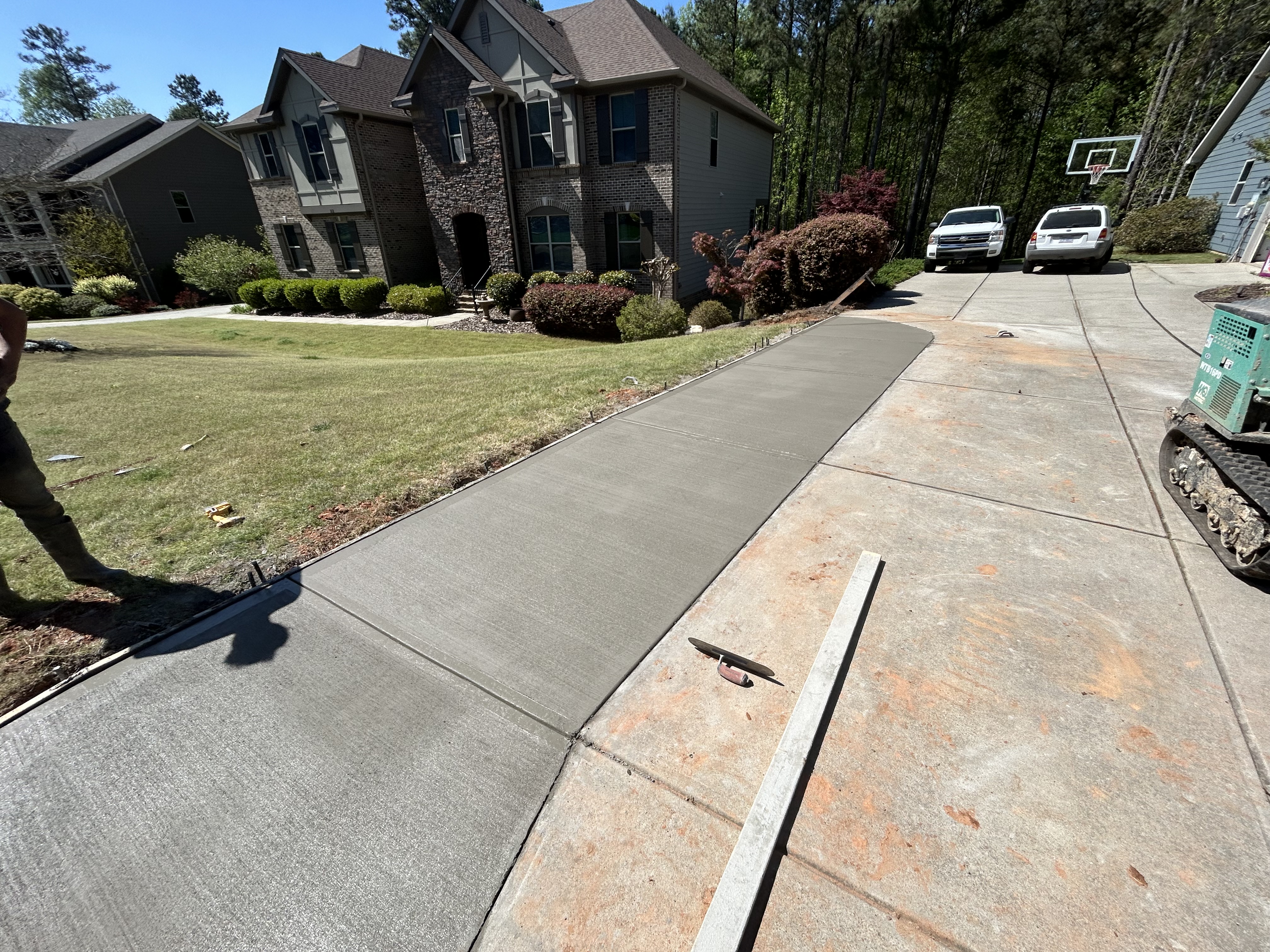
Driveways
Recent Job
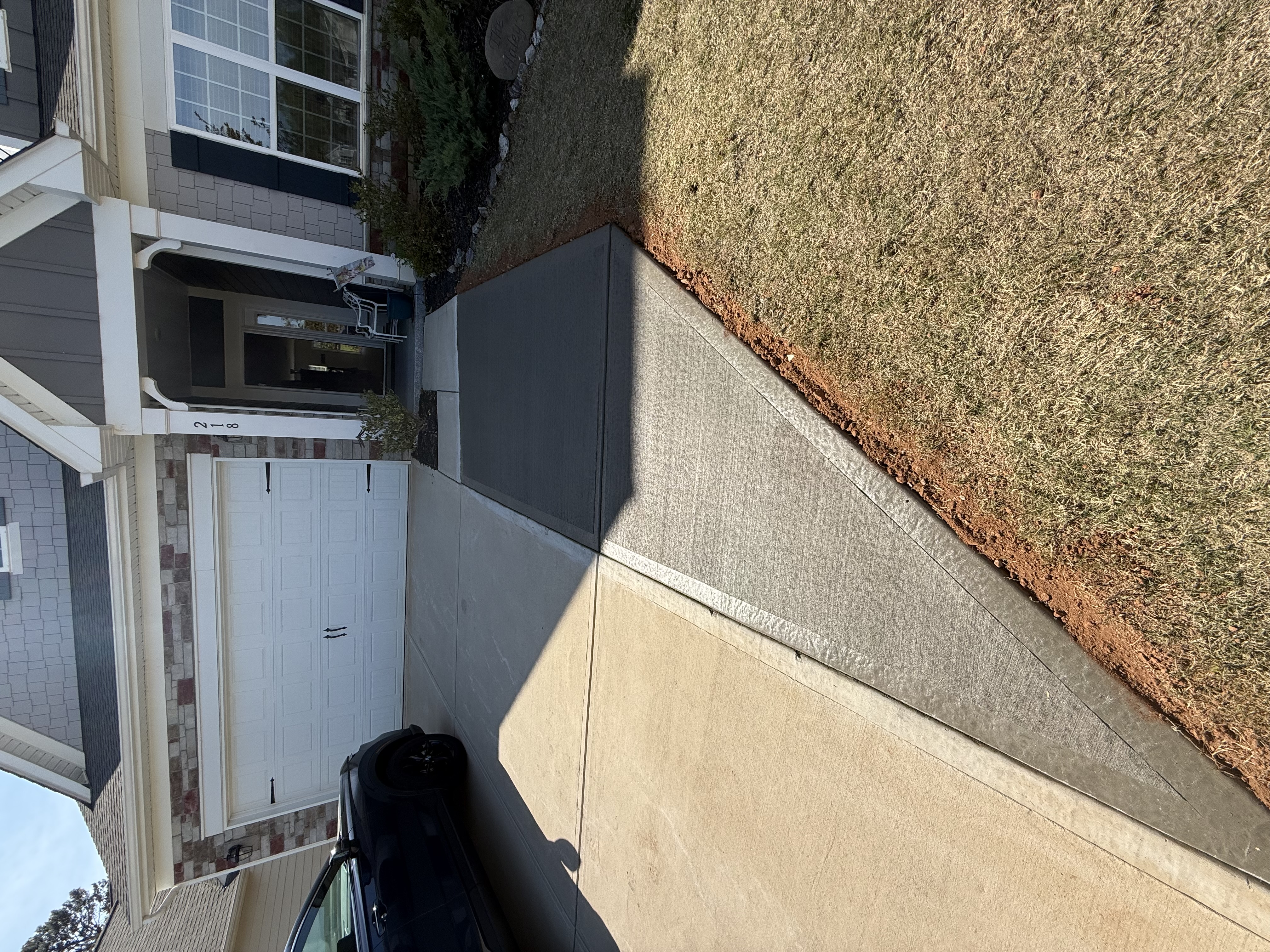
Driveways
Recent Job
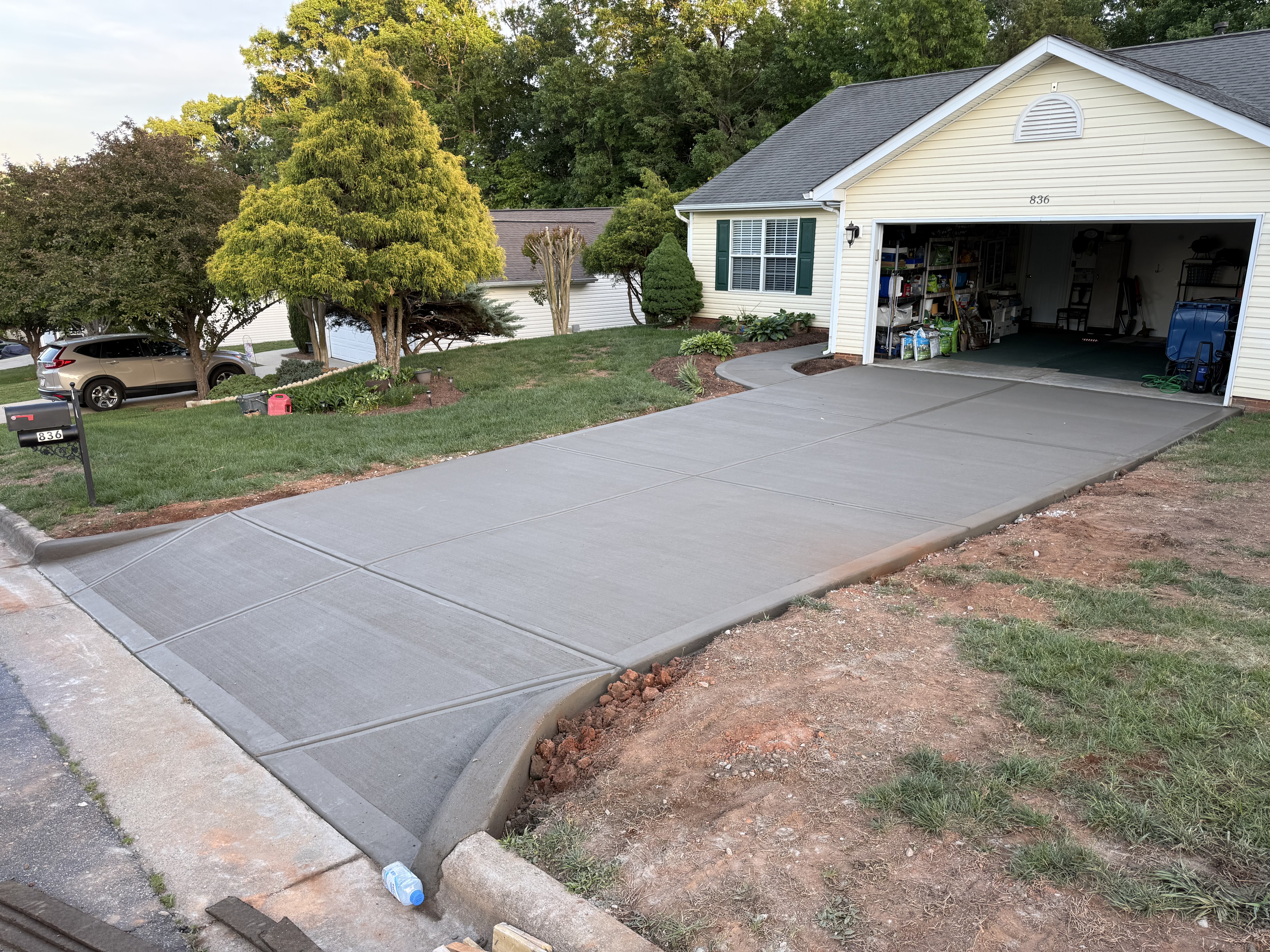
Driveways
Recent Job
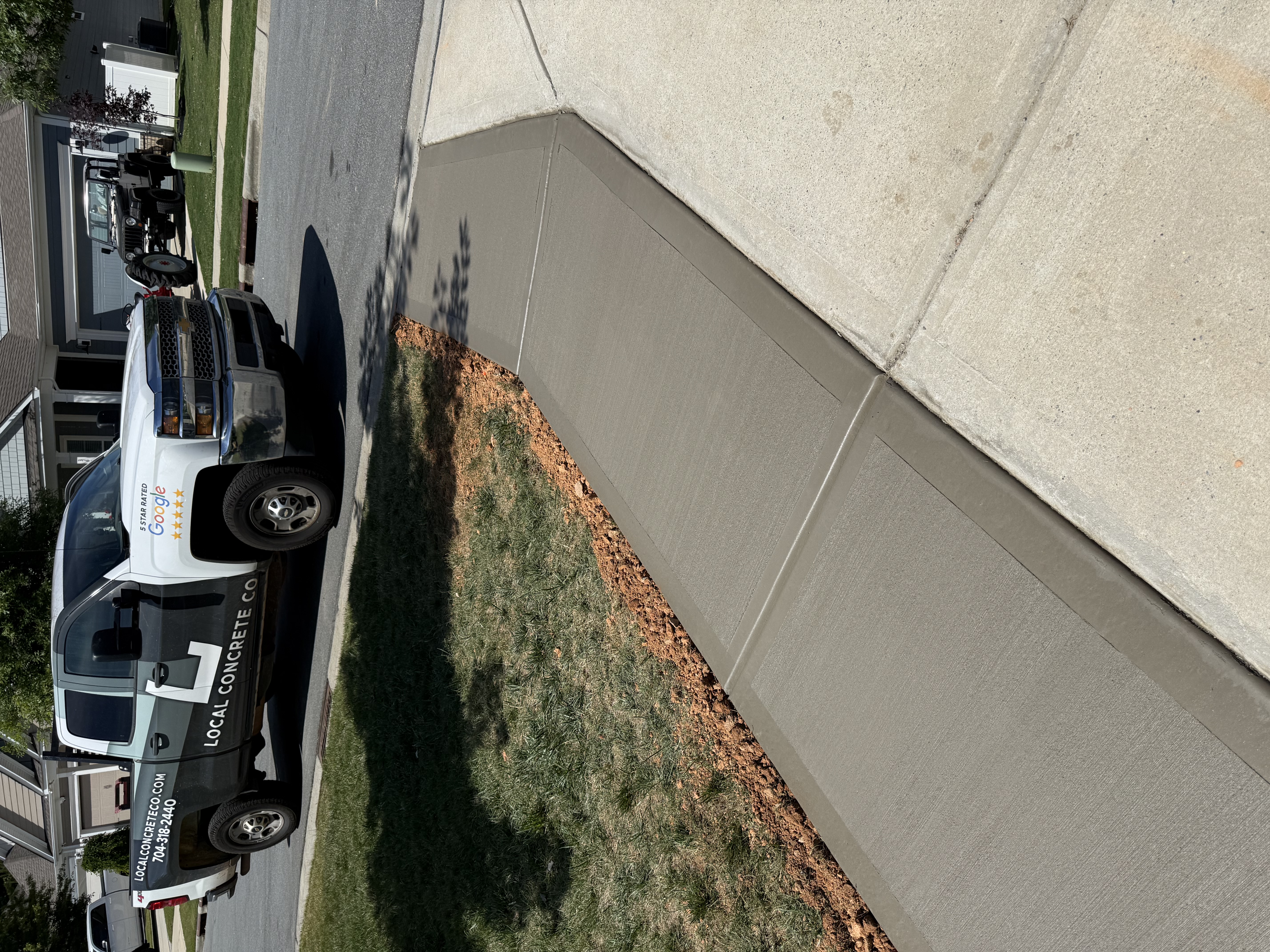
Driveways
Recent Job
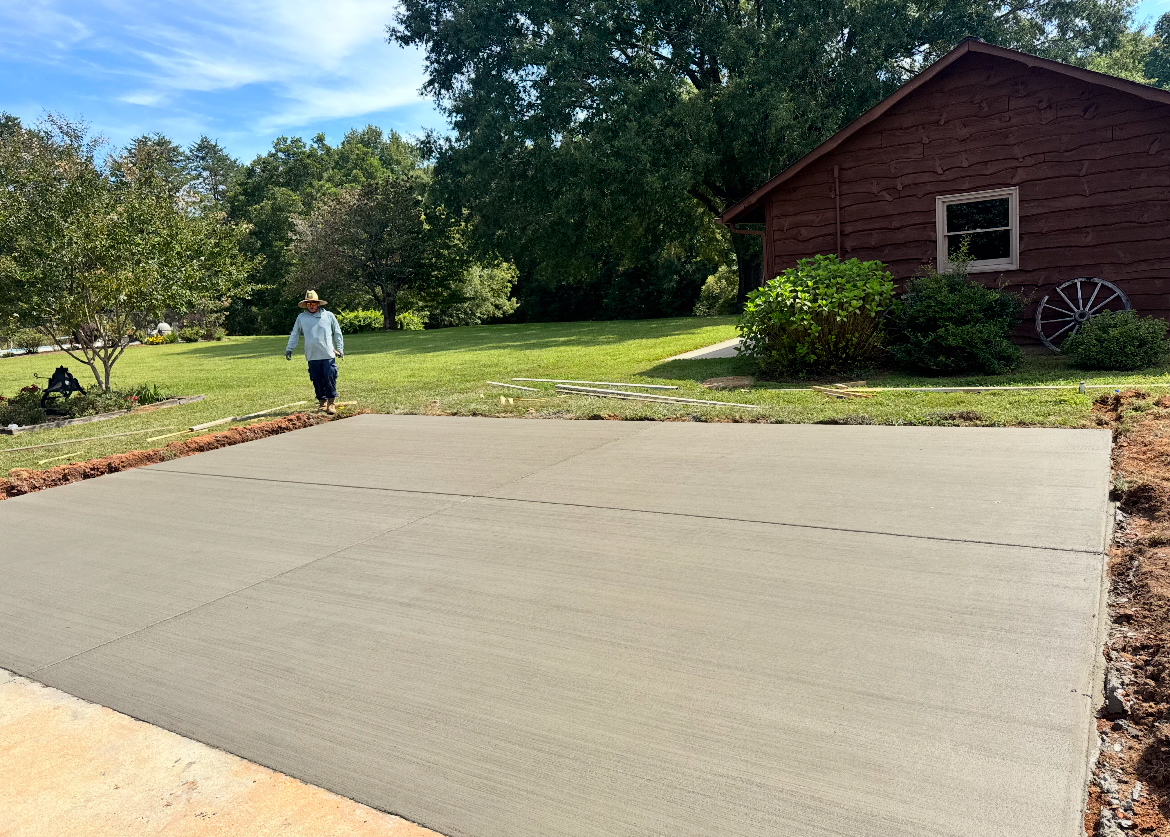
Driveways
Recent Job
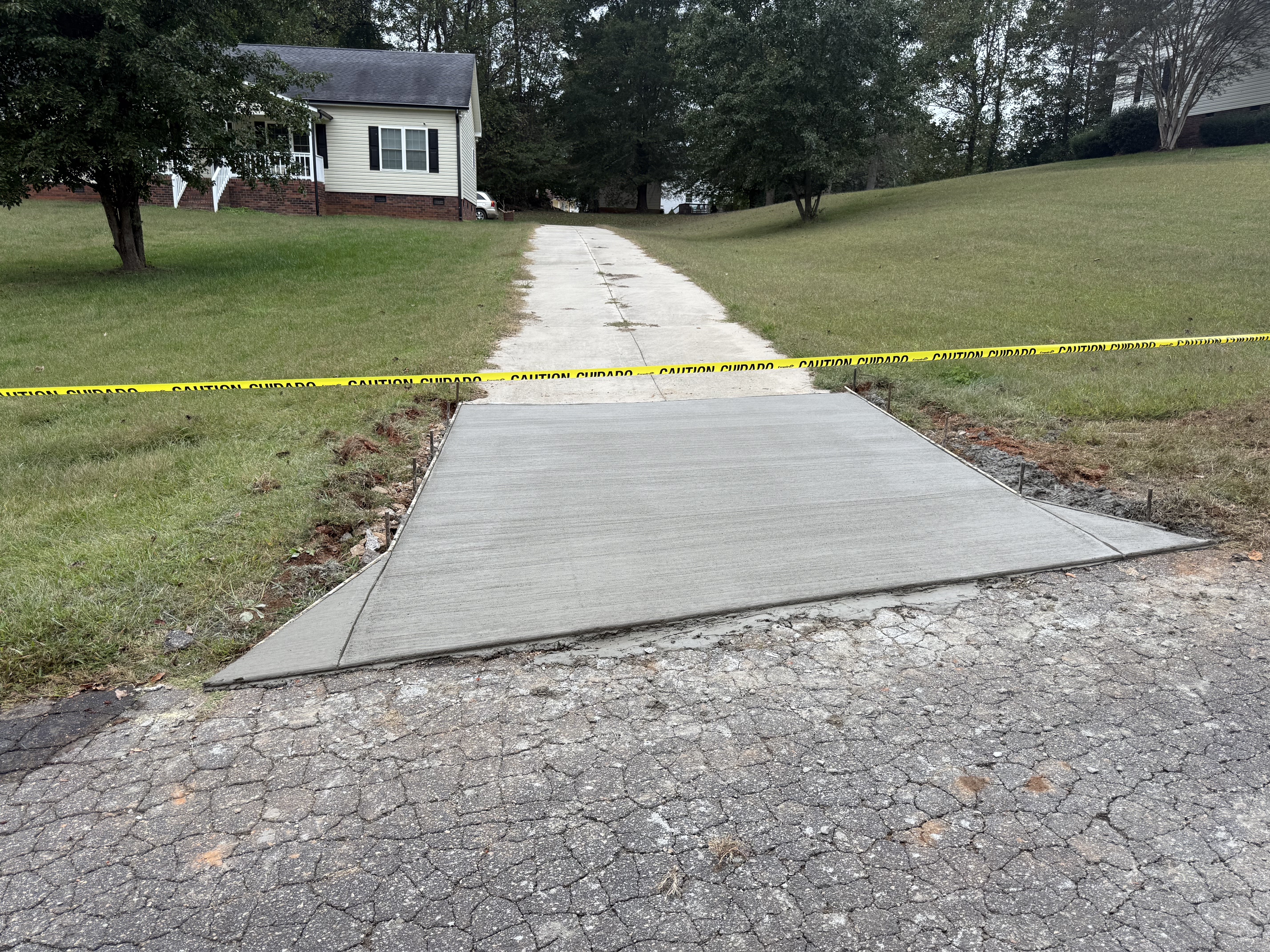
Driveways
Recent Job
Driveways
Recent Job
Driveway Tear-Outs & Replacements
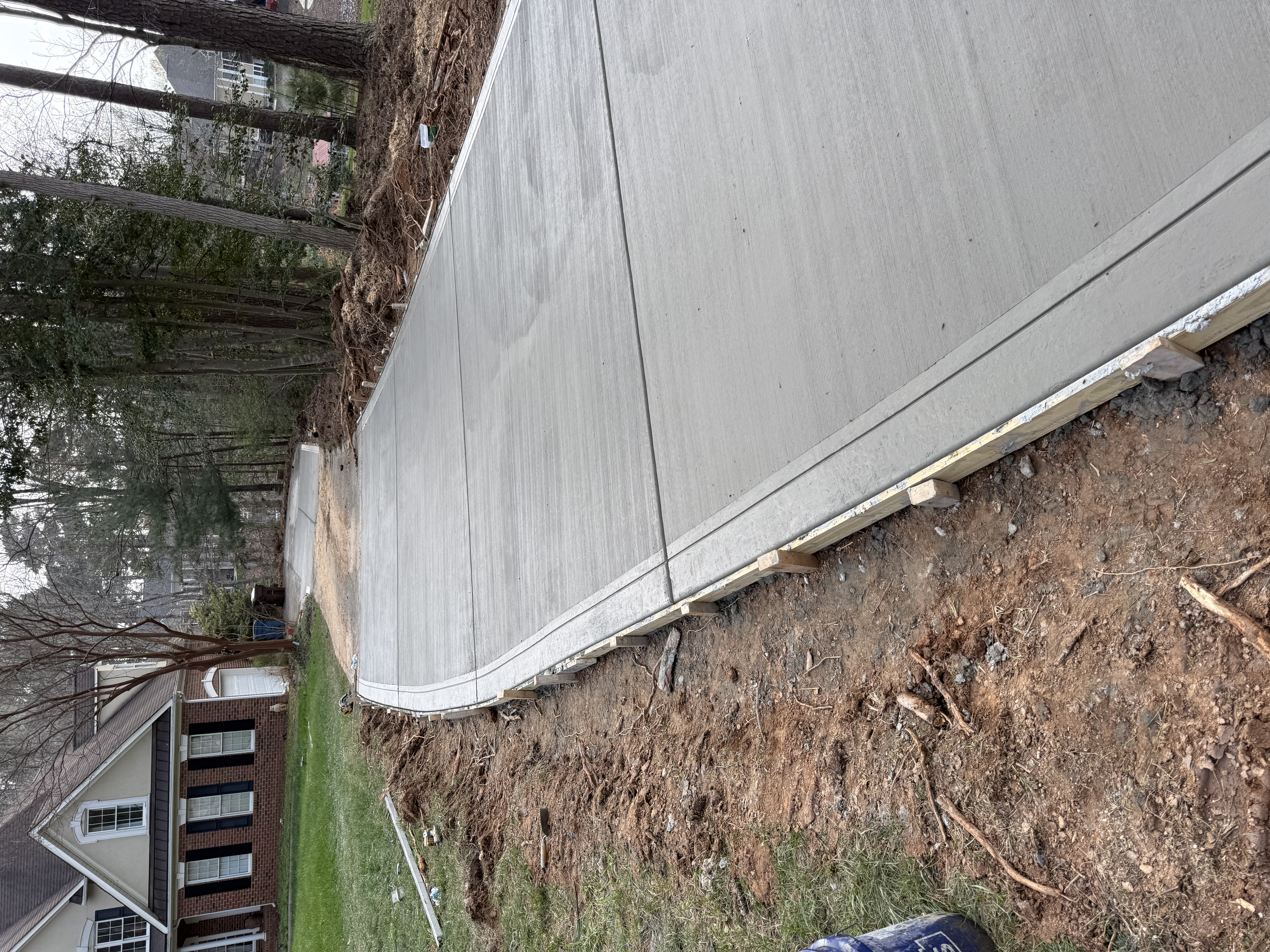
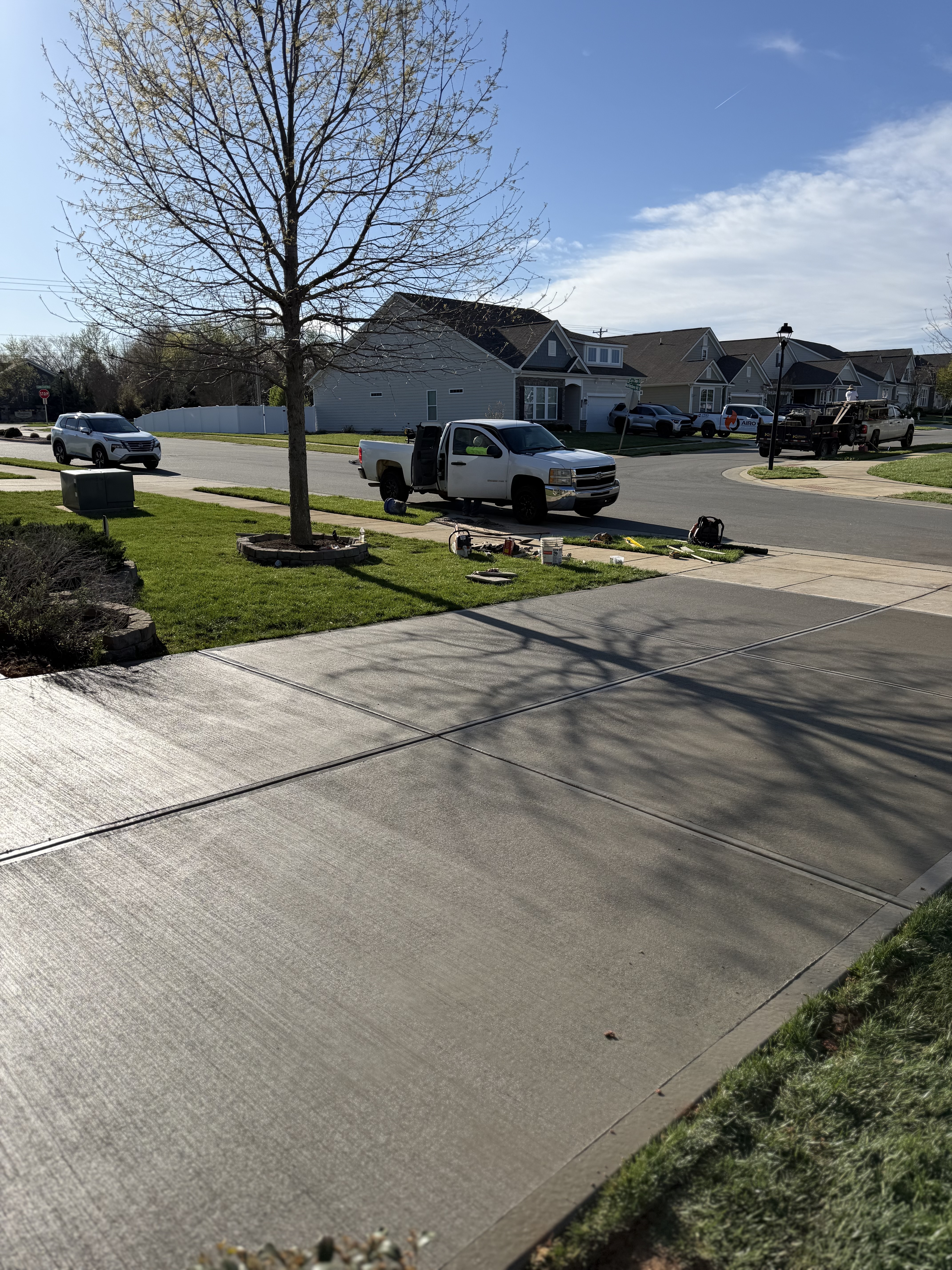
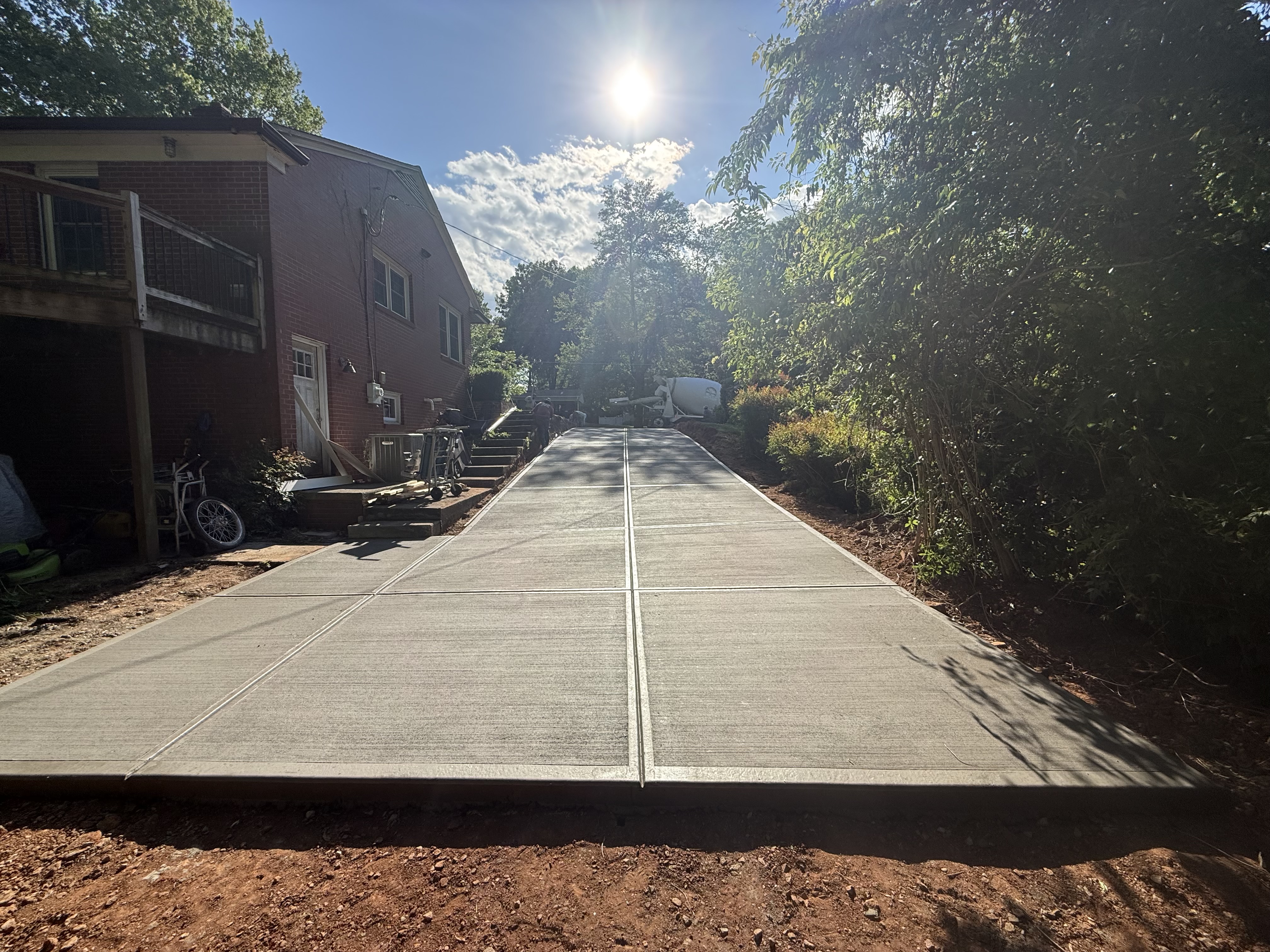
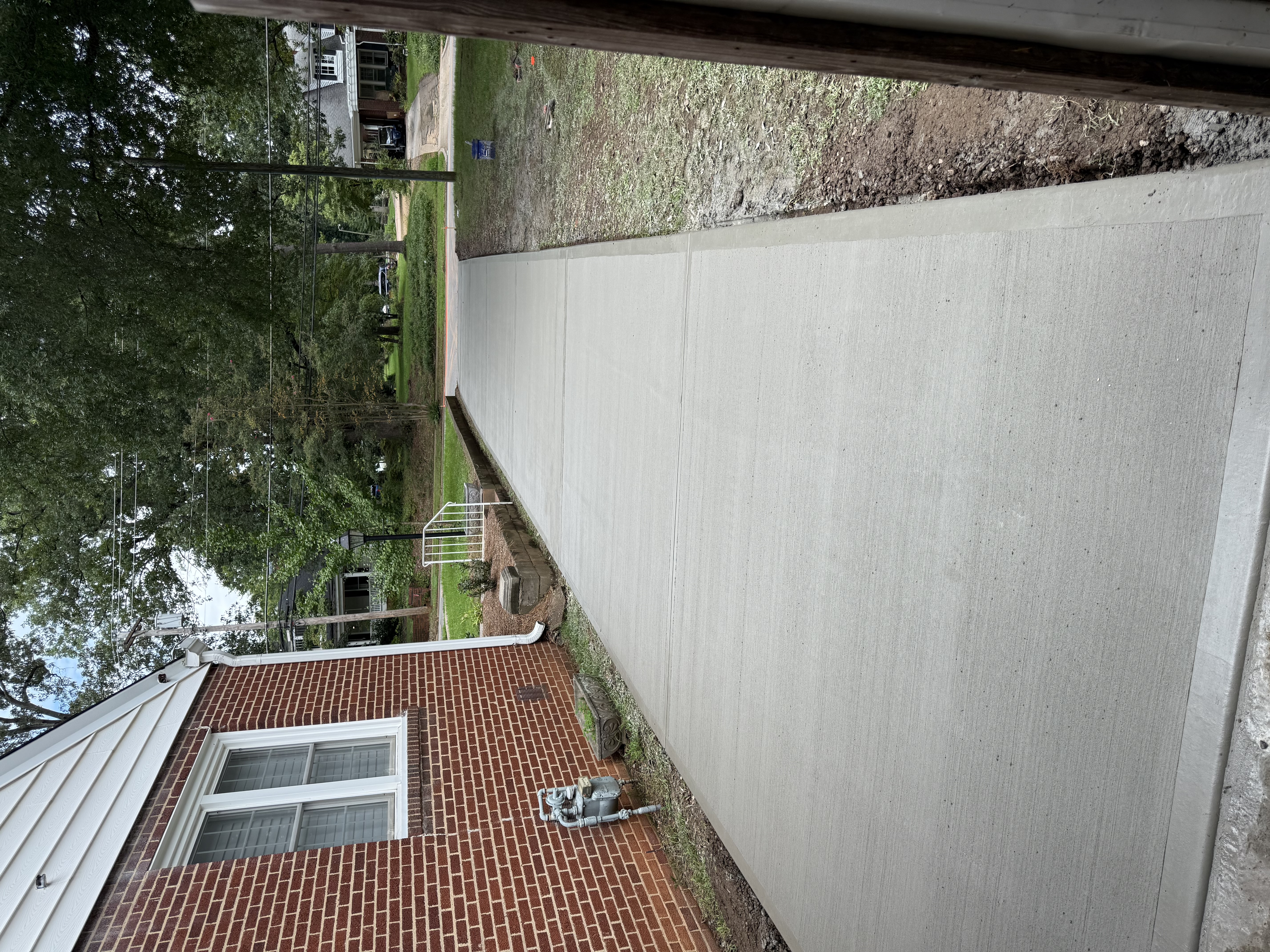
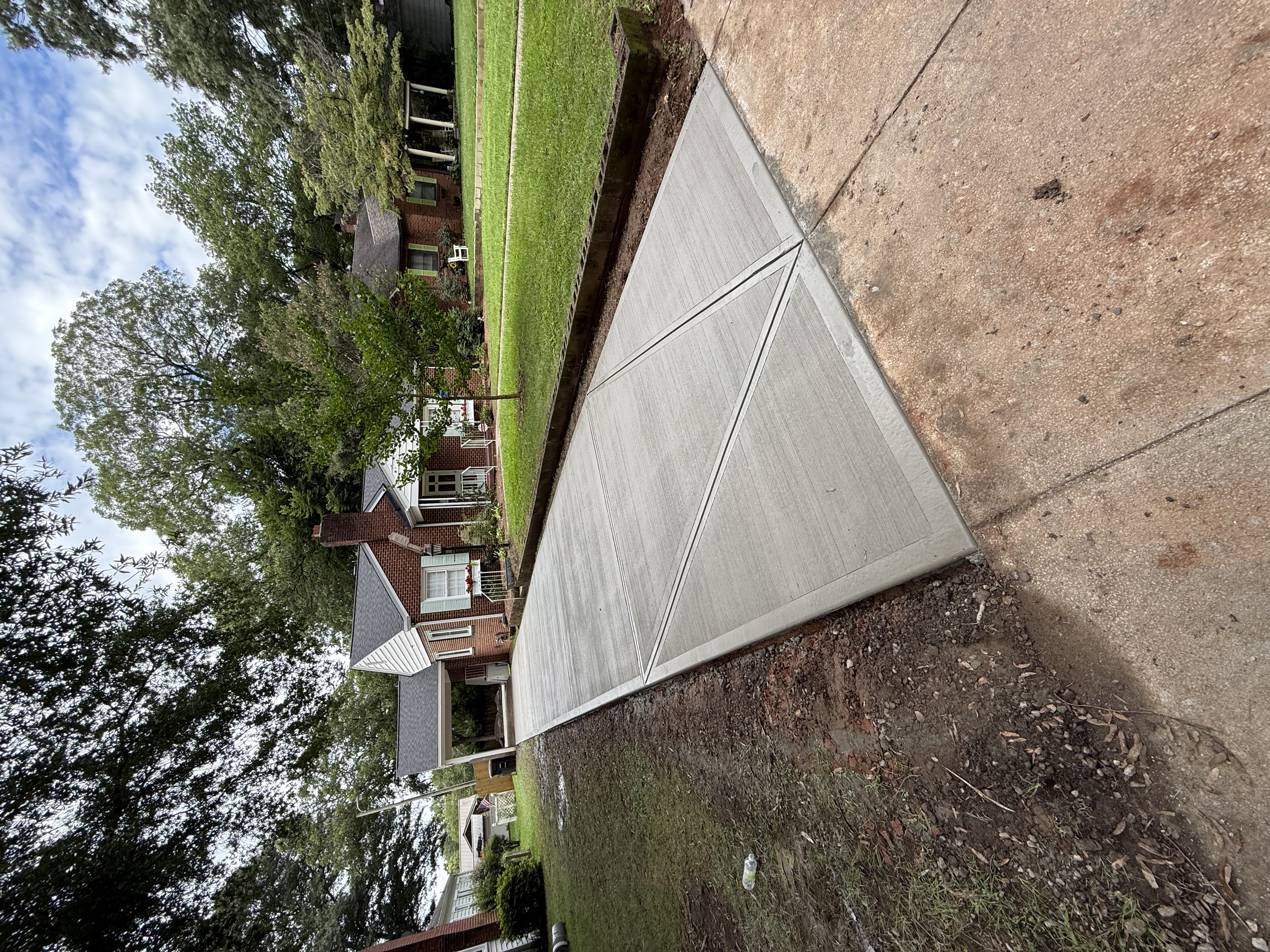
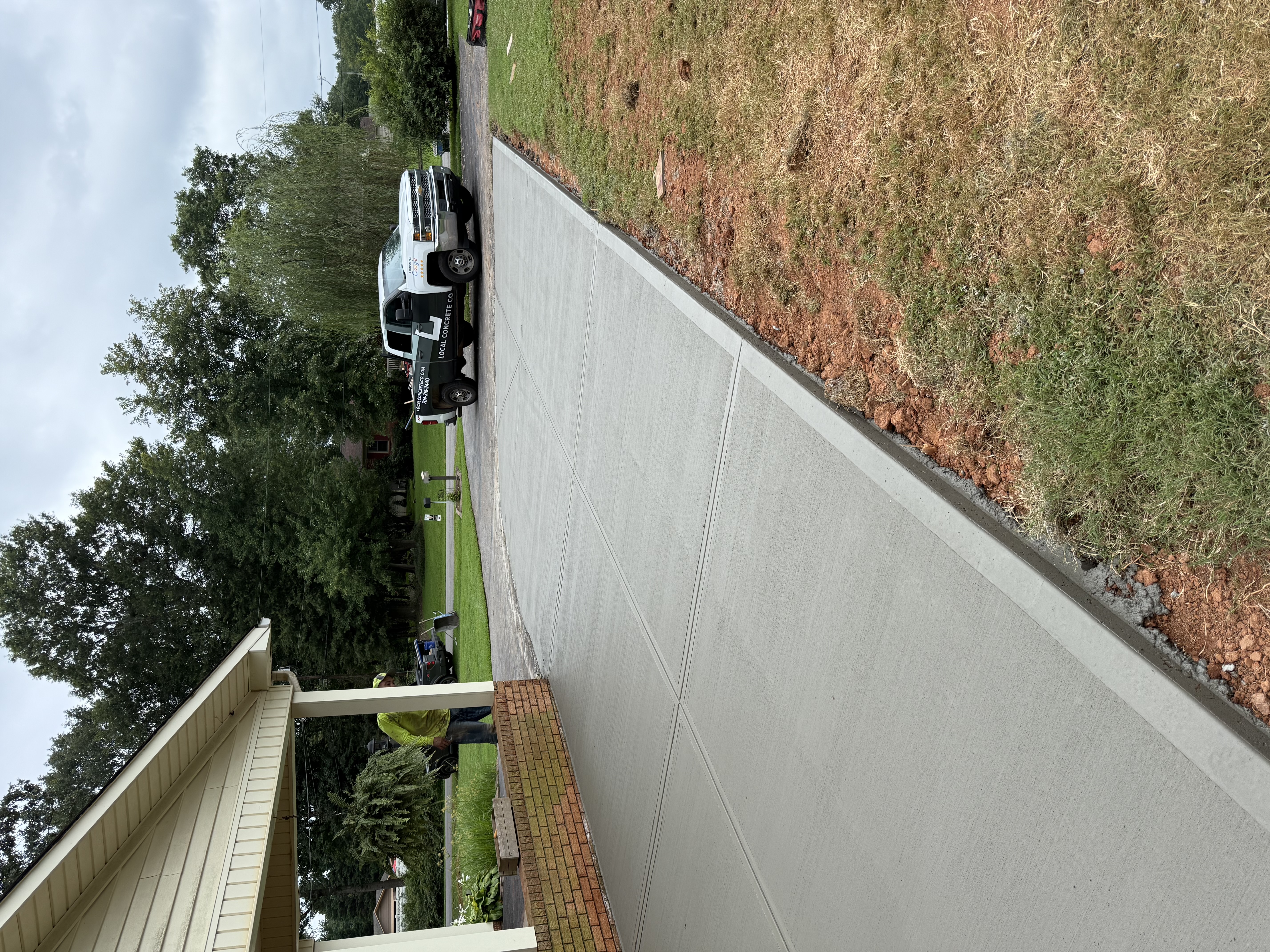
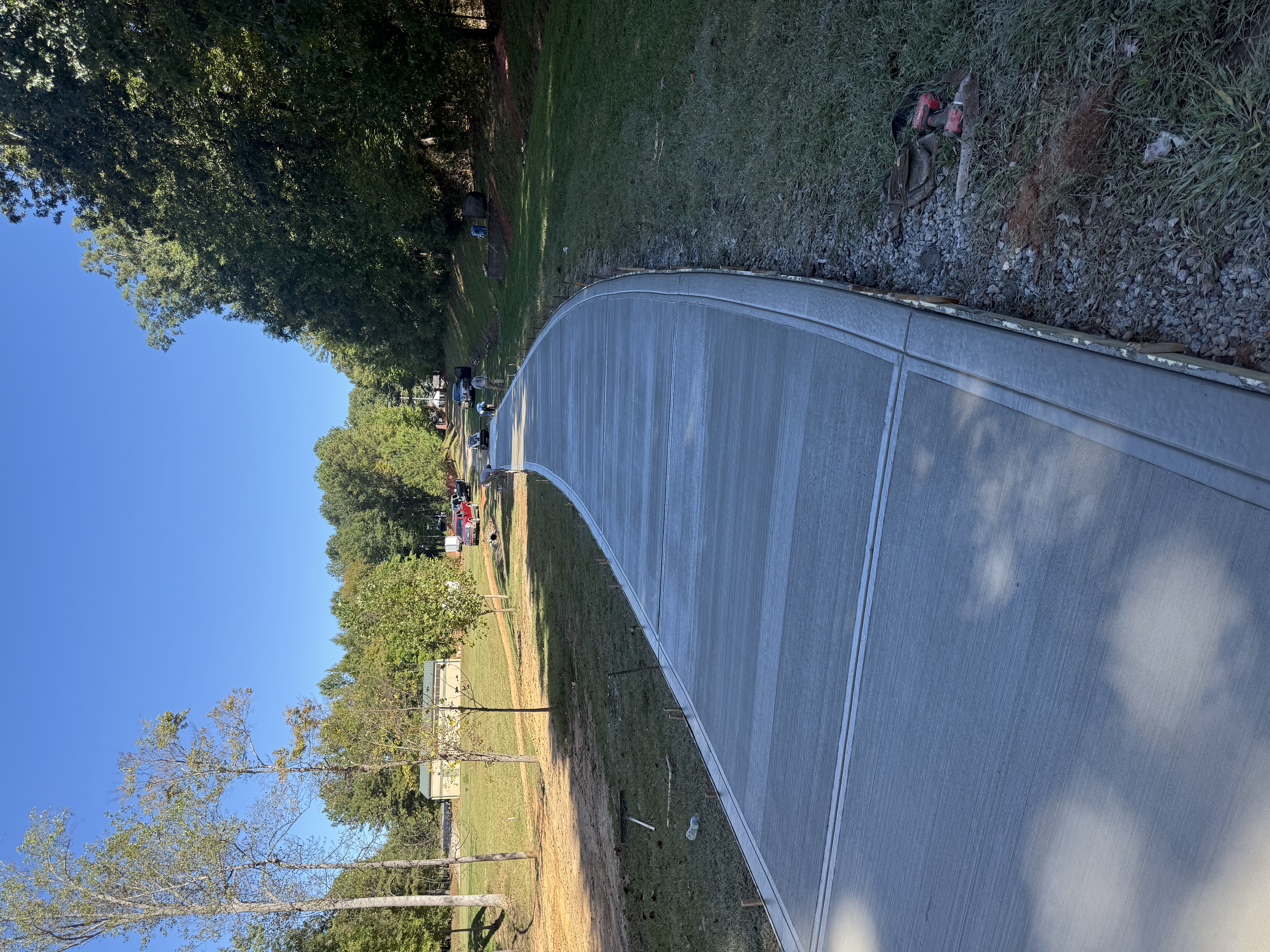
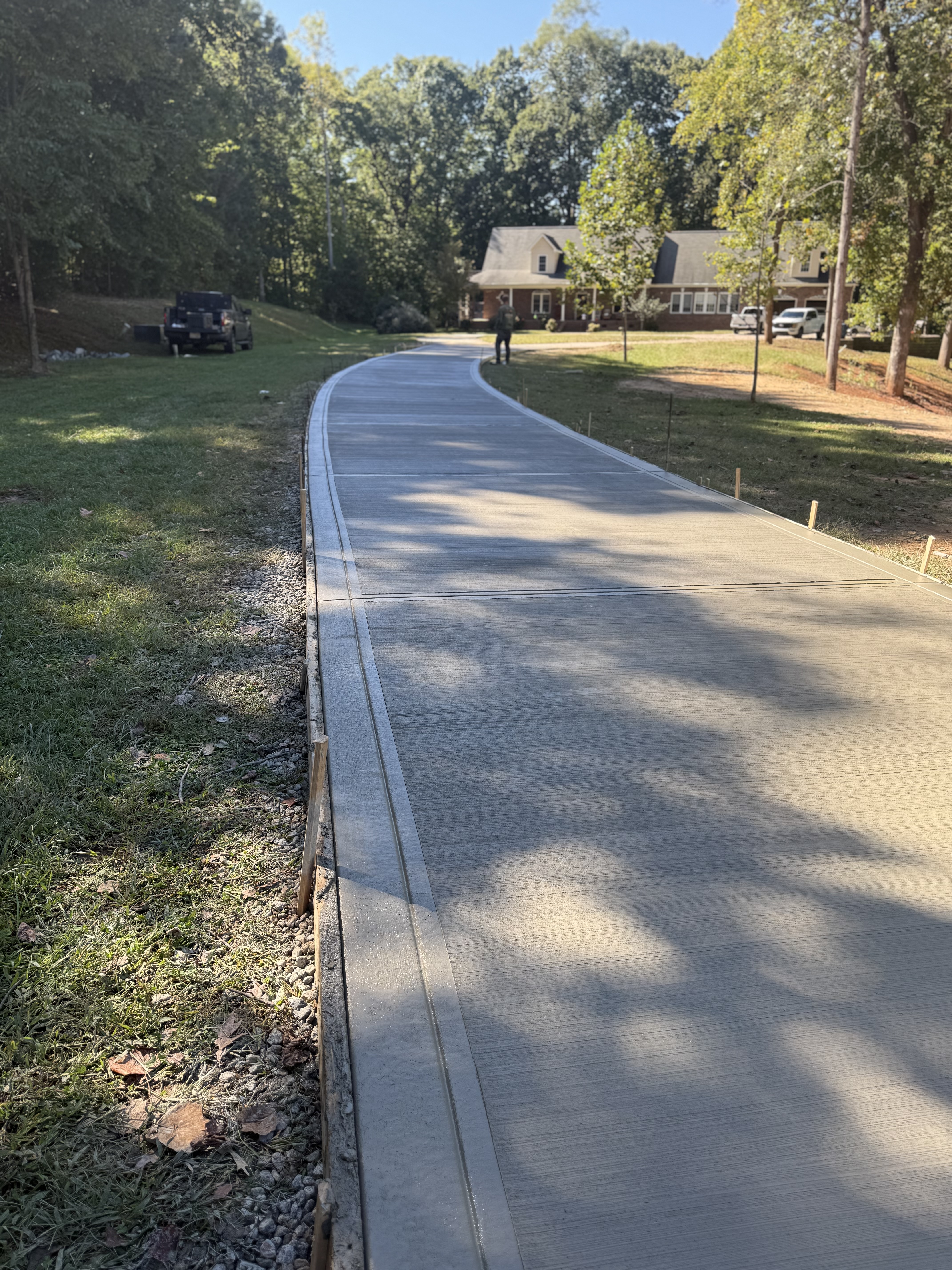
Each slider below is one North Carolina driveway, photographed before demo and again after the replacement pour — apron tied in, control joints cut, surface broom-finished. None of it is stock photography. Our own crew measured, formed, and troweled every slab you see here.
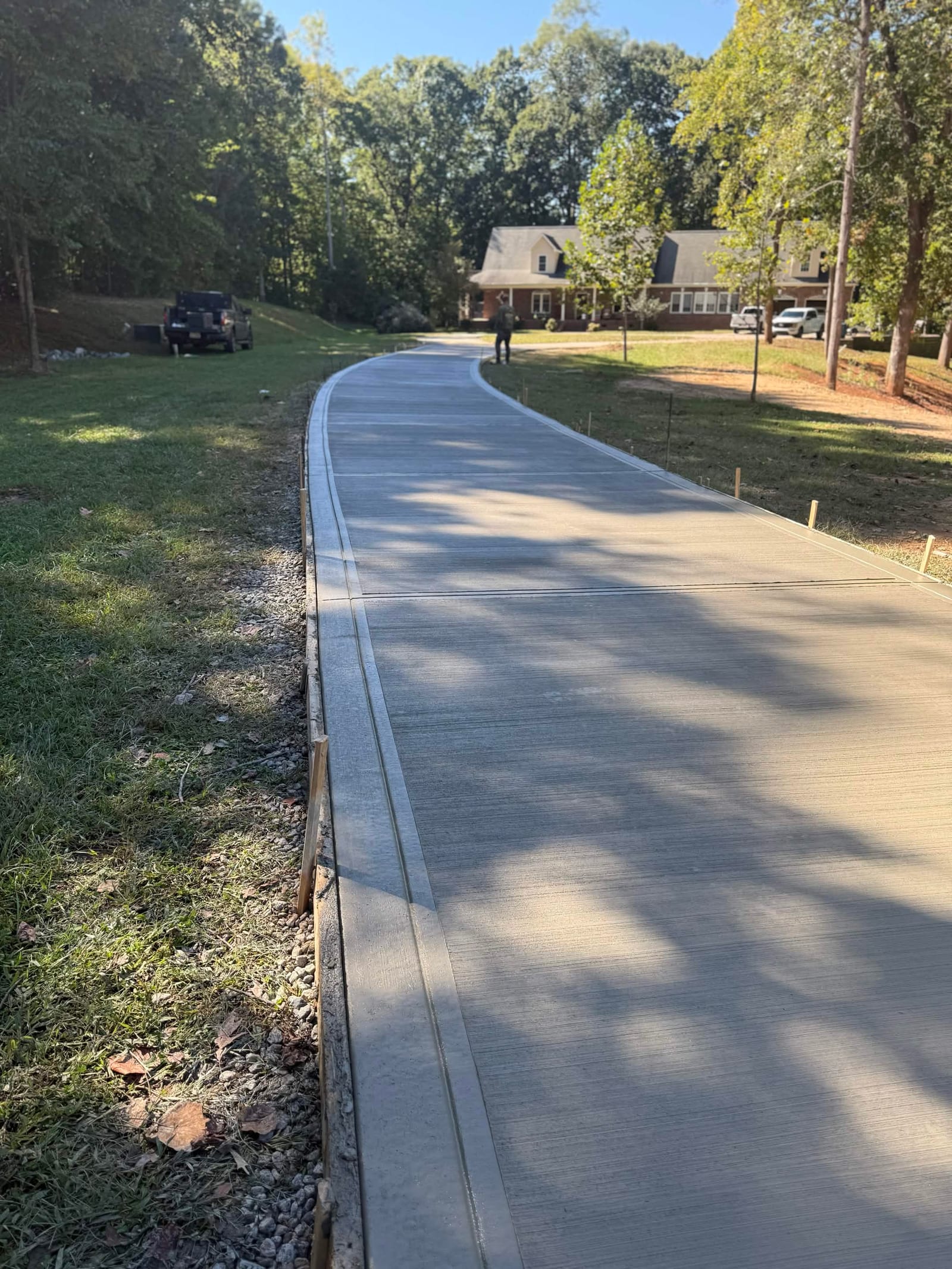

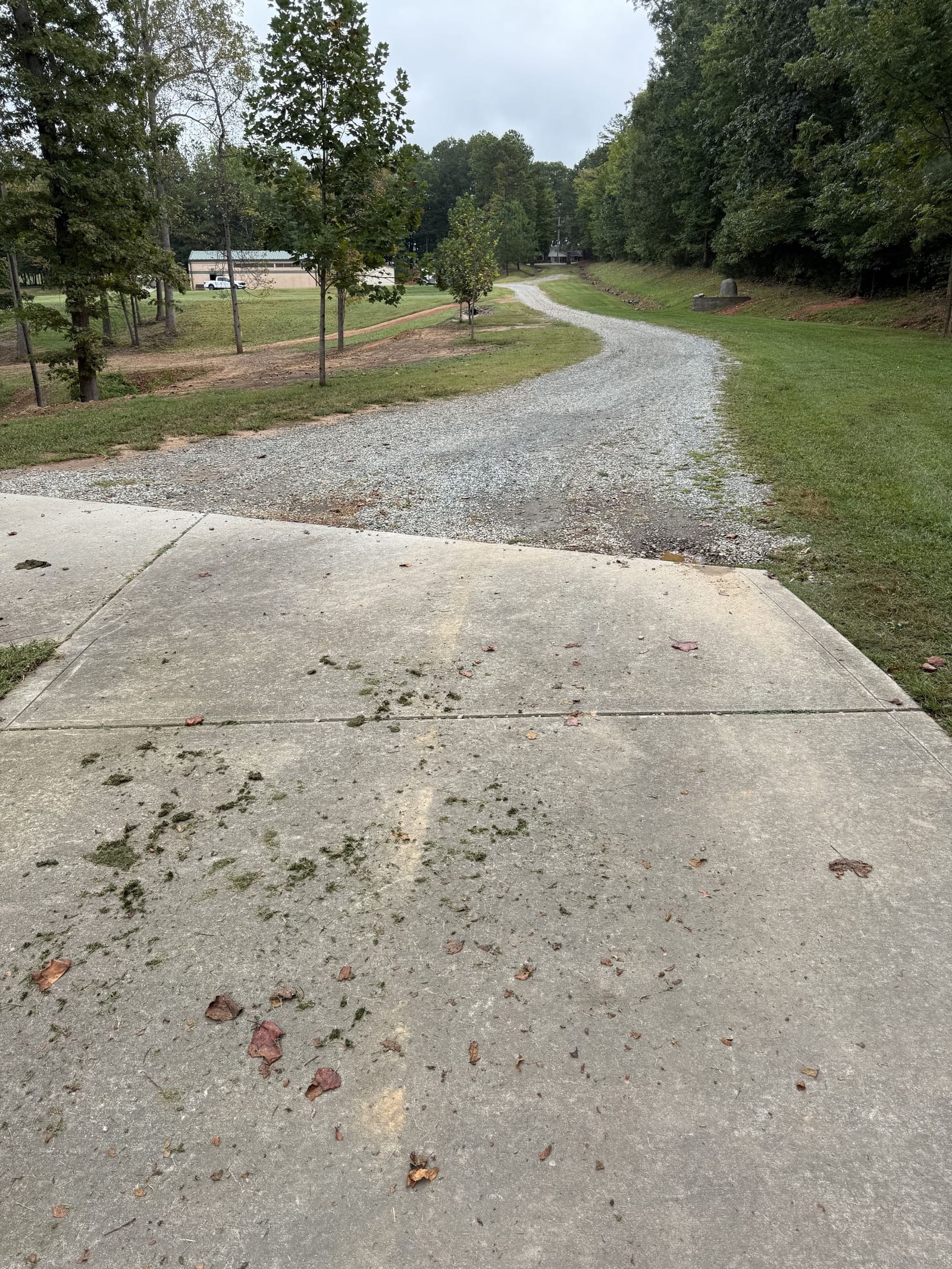
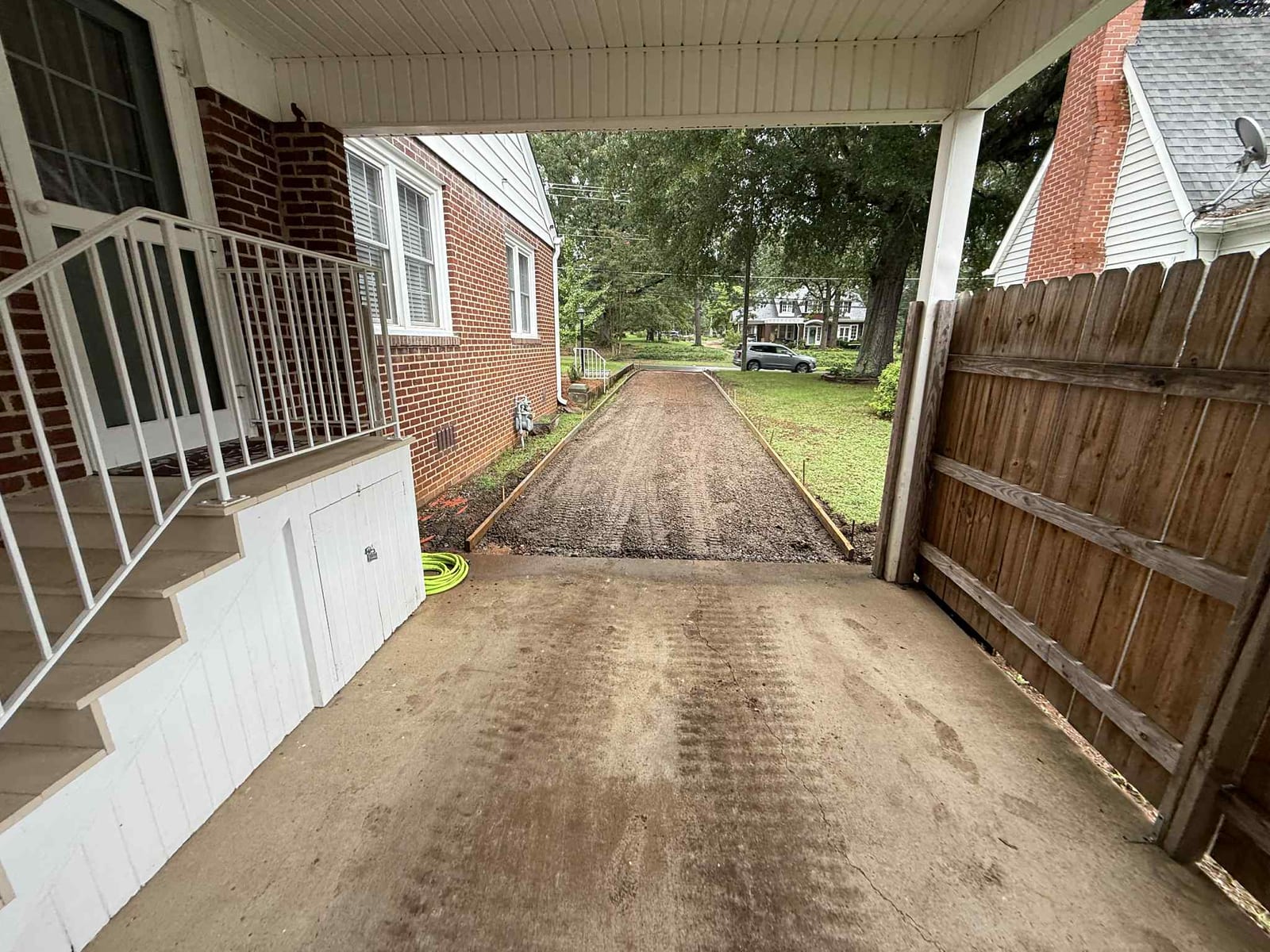
Full Residential Replacement
Aging slab demoed, new pour tied into the apron
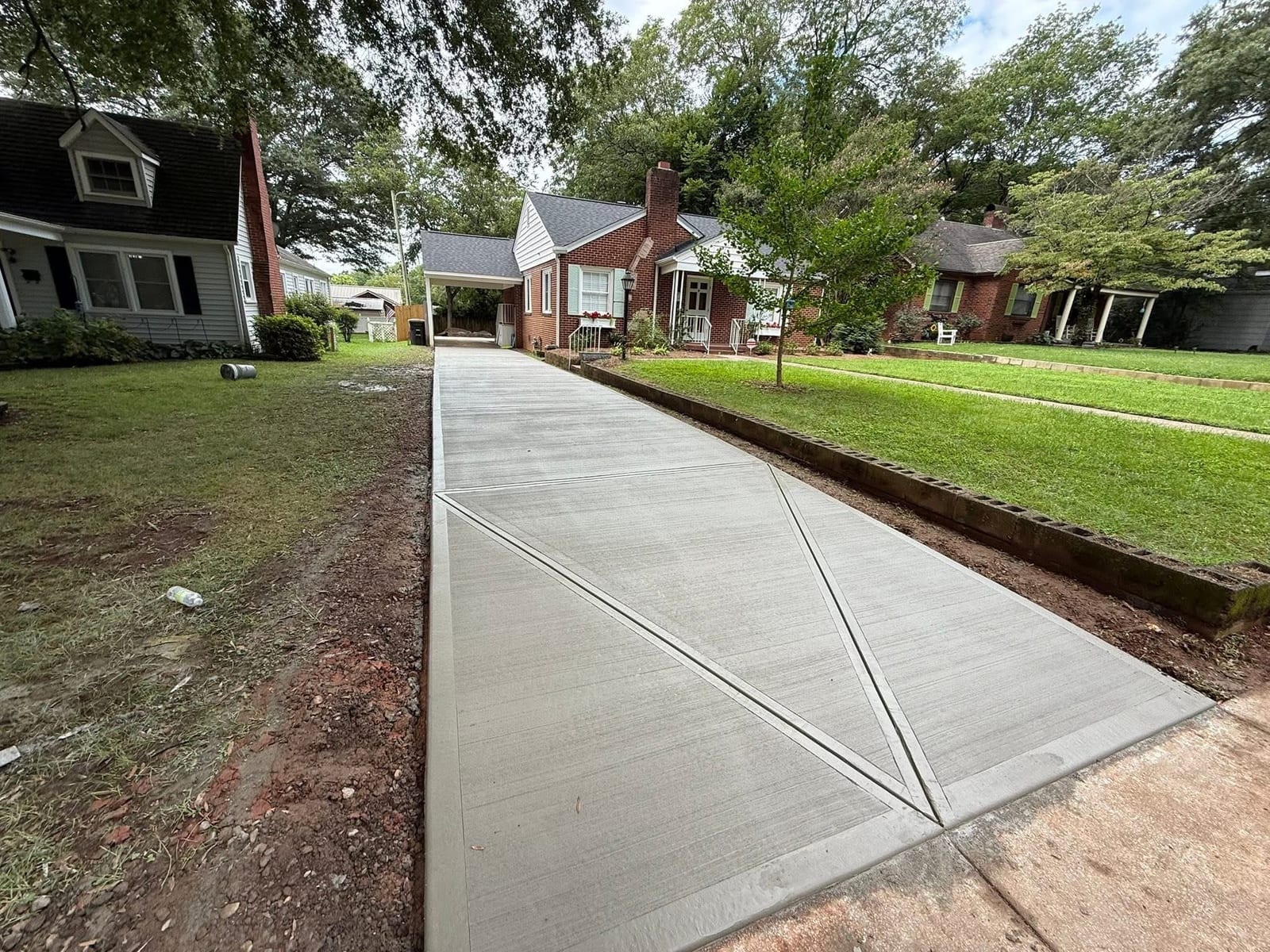
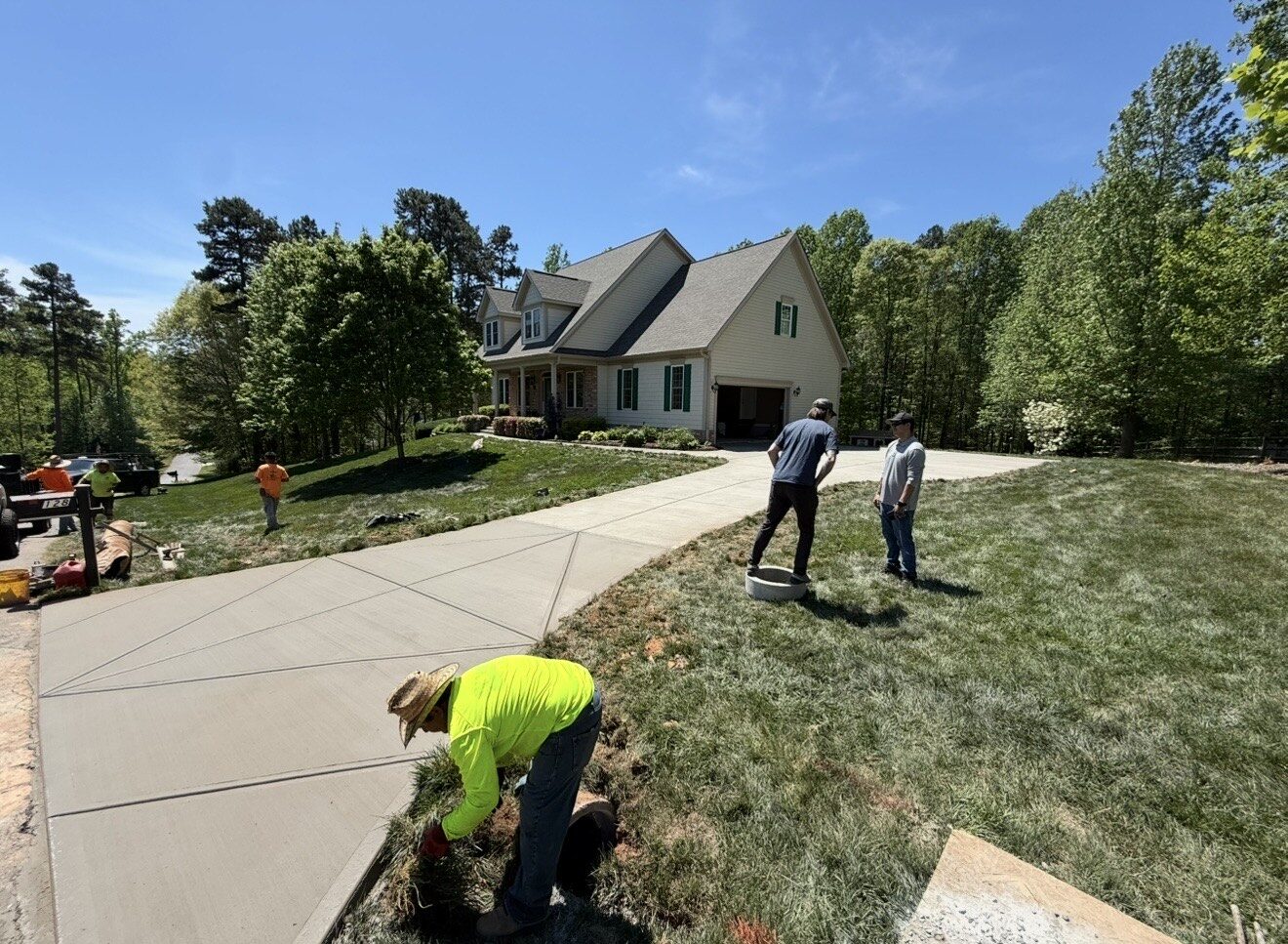
Driveway Revamp
Demo and re-grade, broom field with a decorative border
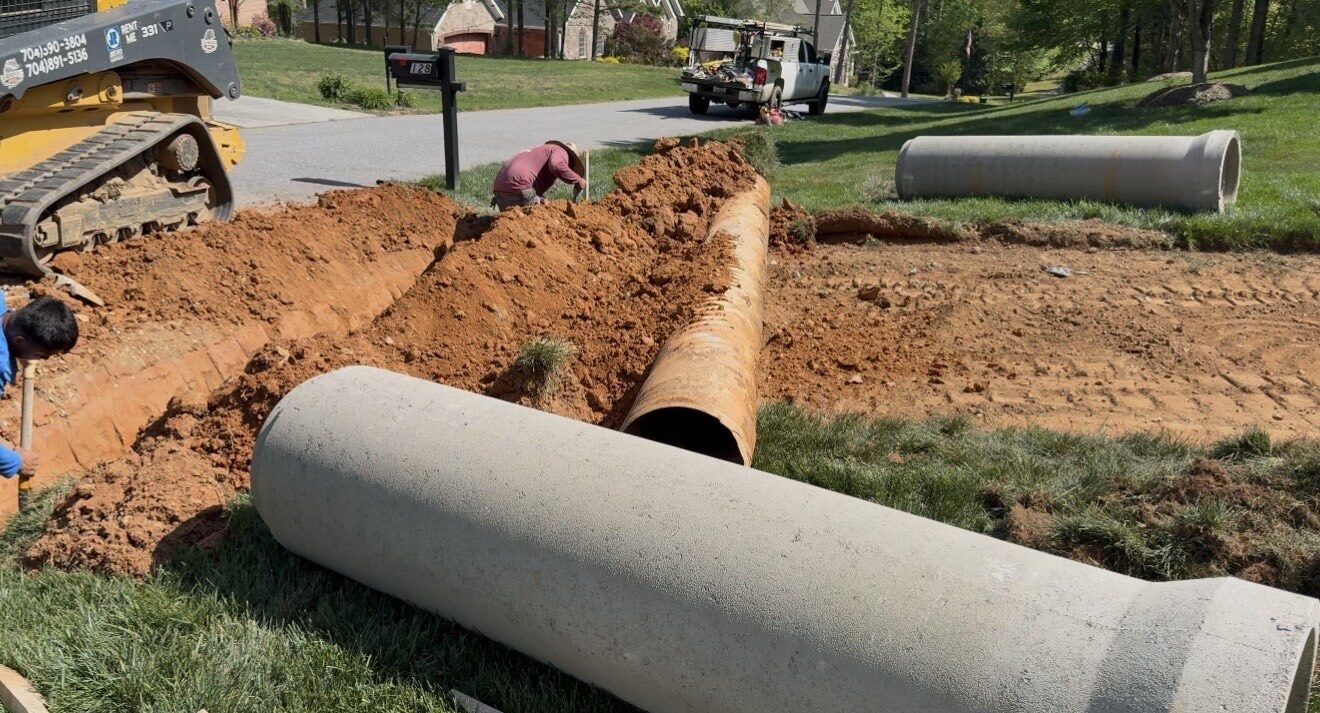
Failed Slab Replacement
Heaved, cracked concrete out — sound new slab in
Between fifth-wheel traffic, oak-root heave, thermal cycling, and the shrink-swell of red Piedmont clay underneath, few slabs on a Mecklenburg County lot absorb more stress than the driveway. You are looking at 25 to 40 years of that beating before a properly built slab is finished. So when the field starts checkering with hairline cracks, the apron drops at the road, or a shallow pond forms after every summer thunderstorm, an overlay is a band-aid on a structural problem. Only a fresh pour on a compacted, drained base — with thickness, reinforcement, and joints matched to your actual usage — fixes it for the long haul.
Local Driveway Charlotte pours new residential drives and swaps out failed ones from Ballantyne and SouthPark out through Matthews, Mint Hill, Pineville, Huntersville, and Weddington. Nothing goes on paper before a site walk: existing pitch, clay condition, root proximity, downspout runoff, apron shape, whether the drive carries a Camry or a loaded work truck. From that walk we hand back a written scope — base, mix, thickness, reinforcement, joint layout, cure schedule — with the price attached to each line. You see the total and the reasoning behind it. No deposit, no upsell script, no vague scope hiding in the invoice.
Our Driveway Services
Driveway work is nowhere near as uniform as it looks from the street. Each configuration shifts the spec on thickness, base depth, joint pattern, and how cleanly the apron meets the roadway.
- Fresh residential pours on builder-new lots as well as re-drive jobs at established Mecklenburg homes
- End-to-end swap-outs: rip up the failing slab, cart it off, rework the subgrade, and lay down a new drive
- Bolt-on lanes, extra turnaround pads, or side parking bays added to a drive that has outgrown its footprint
- Loop-style circle drives shaped with a crown that pushes stormwater away from the house rather than toward it
- Curb-cut and apron pours at the street transition — usually the section that shows failure first when a drive ages
- Design finishes including stamped patterns, integral pigment, and exposed-aggregate treatments
- Two-strip ribbon pours for longer country drives out toward Union and Cabarrus County
- Upgrades from ribbon to full slab, and gravel-to-concrete conversions where the old surface has given up
- Targeted resurfacing on drives where the underlying structure is still intact
On a slab already showing map-cracking, a sagging apron, or a root hump, chained patches usually run up the tab and just push the pour date out. Better to walk the drive together, call the failure honestly, and put the repair number and the replacement number on the same page for a real head-to-head.
Why Concrete Over Asphalt for a Residential Driveway
For a residential drive anywhere in the Charlotte metro, concrete outlives asphalt by fifteen to twenty years and skips the annual sealcoat ritual entirely. Poured to a proper four inches over a compacted base, a residential slab carries a light-truck axle without rutting, holds its plane through Piedmont freeze-thaw, and stays firm during the ninety-five-degree August afternoons that leave asphalt soft and tacky.
What concrete gives you:
- A working life in the 25 to 40 year range on a properly built base — asphalt usually taps out around 12 to 20
- Nothing to reseal each spring and no annual crack-fill routine to schedule
- Handles everything from a compact sedan up to a loaded work truck or fifth-wheel without deforming
- Keeps oil sheen off the surface, so there is no petroleum staining tracked onto tires or washing into storm drains
- Broad palette of finishes to pick from — broom, salt, stamp, exposed aggregate, or pigment mixed into the mud
- Shows up on the appraisal side as a real curb-appeal and resale bump
The cost concrete asks for on day one: a higher install price than asphalt, a five-to-seven-day window before it can carry cars, and control joints saw-cut early so cracking has somewhere planned to go. Amortized across three decades, both are cheap trades.
Get your free quote
We respond in less than 2 hours.
Why Local Driveway Co?
- 01.Nine NC locations, one trade
- 02.Line-item pricing, nothing hidden
- 03.One foreman from bid to walkthrough
- 04.Pay after the pour, never before
Decorative Driveway Options
A broom finish is still the default and the cheapest — but five other surfaces work well on a residential drive, each with its own reseal cadence, traction profile, and repairability. Worth thinking through before the truck shows up, not after.
- Standard broom — plain grey with a brushed-in traction texture. Cheapest option on the sheet, and the easiest surface if you ever need to cut out and re-pour a panel down the road.
- Integral pigment — color blended straight into the wet mud (terra cotta, slate, buff, earth tones). The tint runs through the full depth of the slab, so nothing fades off with wear.
- Stamp work — rubber texture mats pressed into the fresh surface to mimic ashlar slate, flagstone, brick, or cobble. A color hardener goes down at pour time, and a reseal every three to five years is what keeps the imprint sharp.
- Exposed aggregate — the surface paste gets washed back after set so the stone shows through. Great grip, muted glare, hides tire scuffs, and reads distinct from anything else on the block.
- Contrast bands and inlays — accent strips, geometric saw-cut work, or a stamped border wrapped around a broom-finished middle. Delivers pattern without covering the whole slab in stamp work.
- Salt broadcast — coarse salt scattered onto fresh concrete then rinsed out, leaving a pitted micro-texture. Uncommon around Charlotte but plays well against a modern build.
On your drive specifically — its square footage, its slope, its sun exposure — we will walk through how each finish reads, what upkeep it demands, and where it lands against a broom finish on price so the call you make is a fully informed one.
When to Replace, Not Repair
A single crack or chip is not automatic grounds for tearing the drive out. But once several of the following symptoms show up on the same slab, filling and patching is really just deferring the pour — and paying the deferral in interest.
- Fissures over a quarter-inch across that split open again every time you fill them
- Any panel that has heaved or dropped more than half an inch off plane, catching a bumper or holding water where it shouldn't
- Web-like map cracking that has spread across most of the surface — a signal the base or the mix is at fault, not one bad zone
- Surface spalling that has chewed through the top paste down to the stone or the steel
- The street apron has crumbled, dropped, or pulled loose from the main pour — usually the first tell of base loss underneath
- Wire or rebar visible through open surface cracks
- Ponding in low spots that were dry a decade back — the subgrade has shifted and the concrete rode along with it
- A tree root that has jacked one panel more than an inch skyward — cutting the root back rarely gets that geometry back
When two or three of those describe your drive and the slab is past its twentieth birthday, price the replacement alongside the repair. In most cases the ten-year math and honest arithmetic land on the pour.
Why Homeowners Work With Us
Local Driveway Charlotte covers residential and light commercial concrete across the Piedmont — inside-485 neighborhoods like Myers Park, Dilworth, Plaza Midwood, NoDa, and University City, plus the suburban ring around the county line. Our quoting and invoicing structure is built on one principle: the homeowner should not be the one carrying the risk on our work.
What that looks like on your driveway:
- No money changes hands until the finished slab has been walked and signed off — deposit-free from quote to invoice
- Free walk-and-quote where we hand you a written scope covering mix, thickness, reinforcement pattern, and joint layout
- Fully licensed and carrying insurance — certificates on request before we drop the first stake in the ground
- Straight quoting with no artificial expiration clock, no closer-style pitch, no take-it-today pressure
- Actual jobsite photos from recent Charlotte-area drives, none of the stock-library stuff
- Transparent breakdown of the drivers behind the number — slab thickness, footprint, base condition, demo scope, apron work, any decorative add — so nothing hides in a lump sum
- One crew from subgrade prep through the last broom pass — the finish never gets handed off to whichever sub was free that day
While you are collecting quotes, put three questions to every contractor: how do you cure the slab, what joint pattern will you cut, and how do you handle drainage at the apron. The answers to those three separate the drive that runs thirty years from the one you replace at twelve.
Driveways
FAQ
The questions North Carolina homeowners actually ask us about driveways — slab thickness, Piedmont clay prep, cure-time realities, deposit terms, and what the difference is between a pour that lasts a decade and one that cracks the first winter.
Get Free QuoteHow long does a concrete driveway last?
Expect 25 to 40 years out of a residential concrete drive that was built correctly. Four factors decide where in that range you land: how well the subgrade was compacted, whether the slab was poured at the right thickness (four inches minimum for passenger vehicles, five to six inches for heavy trucks or RVs), whether the control joints were cut on a plan that actually steers cracking, and whether drainage keeps water out from under the base. On top of that, concrete asks almost nothing of you year to year — no sealcoating, no crack-filling, no annual maintenance cycle.
When can we drive on a new concrete driveway?
Should I repair or replace a cracked driveway?
Can we get a decorative concrete driveway?
What thickness should a residential concrete driveway be?
Do you require a deposit up front?
Ready to price your pour?
Walk-and-bid is free, no deposit at booking, and you only pay after you sign off on the finished slab.
Get Free Quote